
Declassified UK
Posted: 3rd May 2026

Hi, I’m Franz, CEO at The Bureau of Investigative Journalism.
This month we’ve swapped newsletters with Declassified UK, and I wanted to share some of our latest stories.
We dig into the stories that mainstream media hasn’t covered to answer the most important questions: who’s profiting from injustice, and who’s paying the price?
This month our environment team has unearthed stories on oil prospecting in the Amazon rainforest and how public sector pensions are still being ploughed into fossil fuels.
We investigated how the UK is paying through the nose for a key cancer drug – and how other patients are forced to go without life-saving care because of Big Pharma’s tactics.
And our tech reporters have exposed a fantasist claiming to have built “sovereign AI data centres” without getting his hands on a single microchip.
But the story I’d like to tell you about today is a little older. That’s because we don’t stop at publication at the Bureau – for us, that’s just the start. After the reporting is done, we get the information we’ve uncovered in front of people who can do something with it: campaigners, activists, lawyers, officials, regulators… the list goes on.
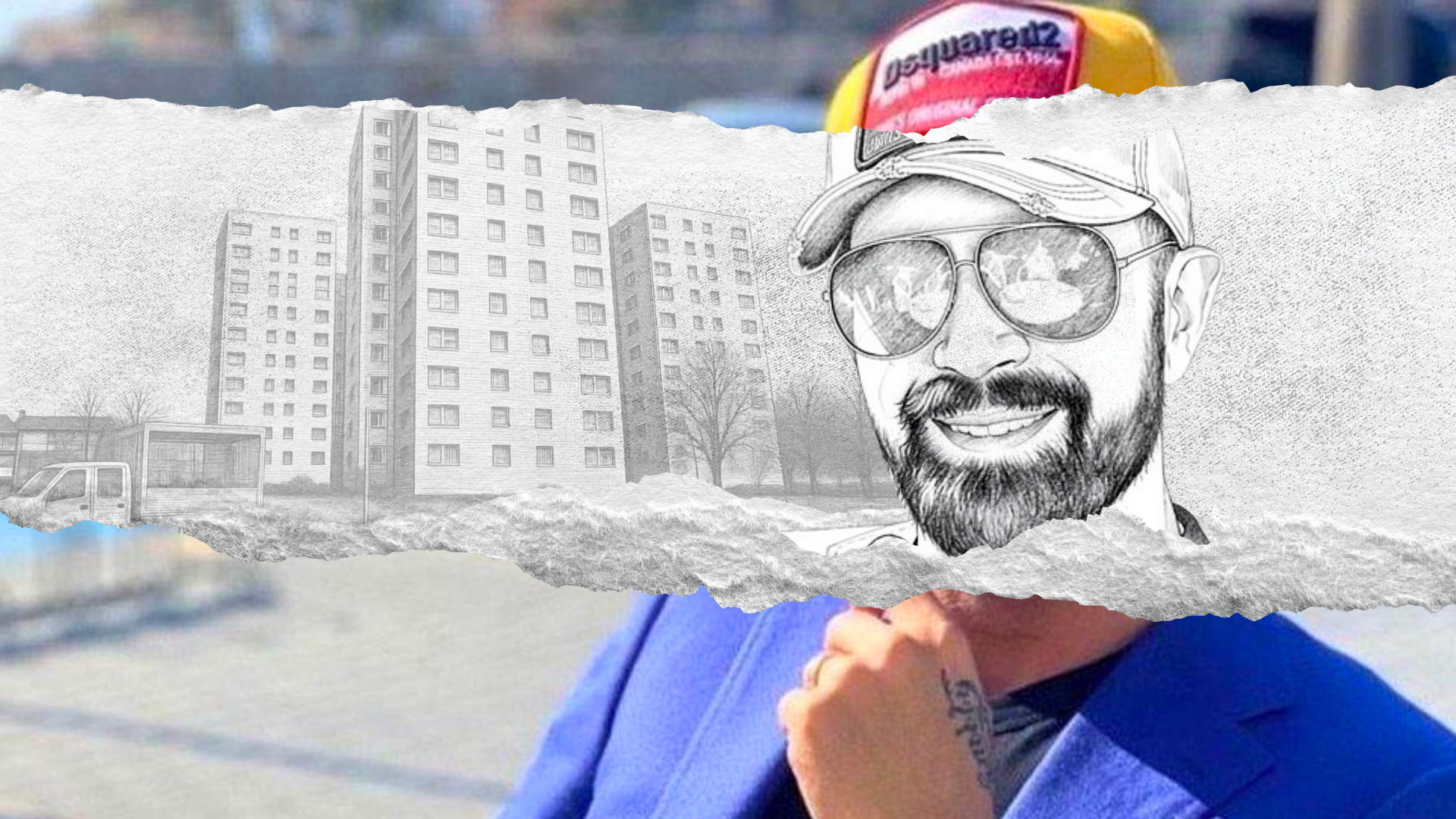
Six years ago, Gareth Davies was looking at loans between local councils, attempting to bring transparency to how huge sums of money were moving around the country. But then he found one “businessman” – Liam Kavanagh – had extracted hundreds of millions of pounds from Thurrock in Essex, ostensibly for solar farm investments.
And then Kavanagh had bought a mansion. And a yacht. A fleet of supercars. A private jet. And the world’s most expensive rotating bed.
Just last week, Kavanagh admitted pocketing taxpayers’ moneyinvested in his company Rockfire. He says he “honestly believed he was entitled to receive the monies that were transferred to him and to do with as he wished.”
Inside sources have been vital to proving what we long suspected. Gareth wrote this week about one such source: “It’s no exaggeration to say it took years to build the level of trust I needed. There were times when we would exchange 50 messages a day, when I heard from them more than I did my friends and family.
“Their welfare came first at all times, even if it slowed our work or limited what we could say. And not everyone was as careful as us. I once had to contact a national media partner at 1am to make sure they didn’t publish identifying information.
“There were moments when it looked like they would back out altogether, unsure about the point of it all. After all, they’d raised the alarm with the authorities multiple times and got nowhere – what difference could journalism make?
“Quite a bit, as it happened. When in July 2022 we published a story revealing major holes in the council’s investments, its business model collapsed. A month or so later, Thurrock’s council leader and chief executive were sacked and government commissioners were appointed. Thurrock was declared effectively bankrupt. It still hasn’t recovered.”
You can get a weekly round up of every story from the Bureau straight to your inbox by subscribing to Uncovered.
Thanks,
Franz
Franz
Editor
The Bureau of Investigative Journalism
Your donations fund our investigations
Regular monthly donations keep us independent, and fearless.
Chip in £10 a month